News Details
20 Dec
Different Roots, Same Goal: Towards a Zero Waste Lifestyle
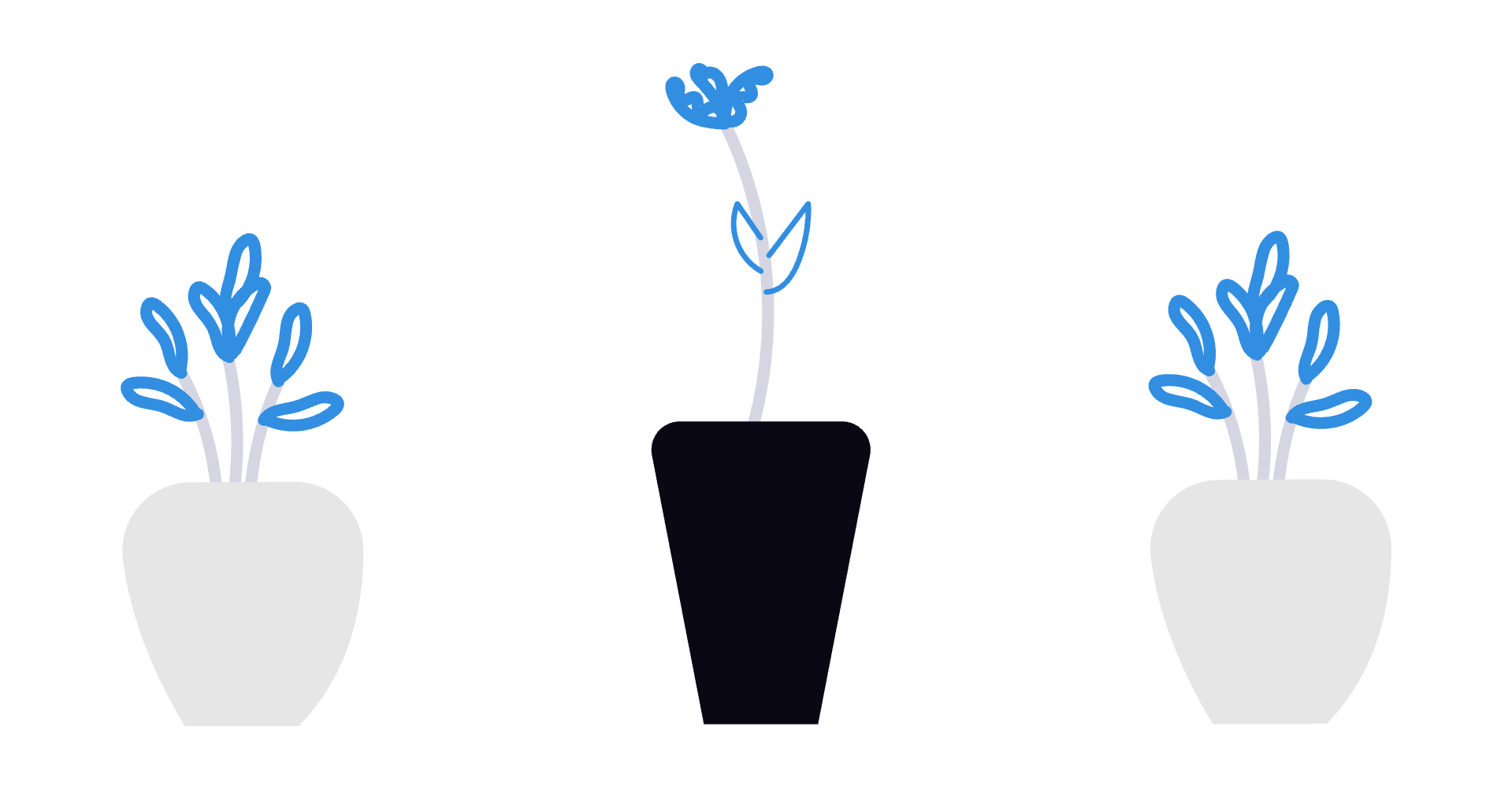
This minimalist illustration features three similar potted plants, but with one striking difference: the pot in the middle is pitch black, while the pots on the left and right are light grey. All three grow identical blue flowers.
In the context of waste management, the pots can be interpreted as the containers or management systems themselves, while the blue flowers represent the desired end result: a clean, healthy, and sustainable environment. The light grey pots on the sides represent conventional and transparent waste management systems—such as standard public trash bins or easily understood recycling processes.
Conversely, the black pot in the middle represents more complex, hidden, or even "closed" management systems, such as industrial waste treatment facilities, hazardous waste (B3) final processing sites, or advanced incineration technologies. Although it looks "dark" and visually different, this black pot plays a crucial role in containing and neutralizing residues that cannot be processed by conventional systems.
This is a powerful symbol that whatever waste management method is used—whether it is home composting, waste banks, or heavy industrial technology—the ultimate goal must be the same: to produce a clean and healthy environment (represented by the color blue).
This image teaches us about collaboration and the diversity of solutions in waste management. No single system can solve all waste problems alone. We need a combination of simple, transparent systems (grey pots) and complex, hidden systems (black pots) to handle all types of waste. As long as they work together with the same goal, the "flowers" of sustainability will continue to bloom.